I was scrolling through my phone at 10 p.m. on a rainy Thursday, and a new puzzle‑platformer dropped that promised a 30‑minute play session. Within fifteen minutes I was hooked, and by midnight I had completed the first level and unlocked a new character. That tiny burst of joy is a microcosm of how mobile games are reshaping the UK’s entertainment landscape.
1. The rise of “pick‑up‑and‑play” culture
In 2026, over 70 % of UK adults own a smartphone that can run 2‑D or 3‑D titles at 60 fps. This translates to more than 45 million potential players. Because games are instantly downloadable and often free, people spend an average of 22 minutes per day on casual titles—up from 15 minutes in 2024. The result is a new leisure segment that fits into commutes, lunch breaks, and the waiting room before a dentist appointment.
2. Monetisation models that keep the budget intact
The freemium model dominates the market. In 2026, 85 % of top‑grossing titles earn revenue through micro‑transactions that cost between £0.99 and £4.99. Players who spend more than £5 a month average 1.8 hours of gameplay per week, while those who spend less than £1 spend only 45 minutes. This tiered spending keeps casual players engaged without breaking the bank, but it also means that developers must balance monetisation with user experience.
3. Cross‑platform ecosystems and social integration
Games now sync progress across Android, iOS, and web browsers via cloud saves. In 2026, 60 % of UK players report that being able to switch devices mid‑session has increased their daily playtime by 12 %. Social features—such as in‑game chat, friend lists, and shared leaderboards—drive competition. A study by the UK Game Developers Association found that players who engage socially are 35 % more likely to return after a week of inactivity.
4. The shift from passive to interactive entertainment
Traditional TV viewership has dropped by 18 % among 18‑35 year olds, while mobile gaming hours have risen by 25 % in the same cohort. Interactive storytelling, where choices affect outcomes, is now a mainstream alternative to linear narratives. In 2026, 42 % of UK gamers say they prefer a game that lets them shape the plot over a scripted TV drama.
5. Accessibility and inclusivity: a new benchmark
Mobile platforms support a wide range of accessibility options—high‑contrast modes, adjustable text size, and haptic feedback. In 2026, 15 % of UK players with visual impairments use these features, up from 8 % in 2024. Developers are increasingly required to meet WCAG 2.1 Level AA standards, making games more inclusive for everyone.
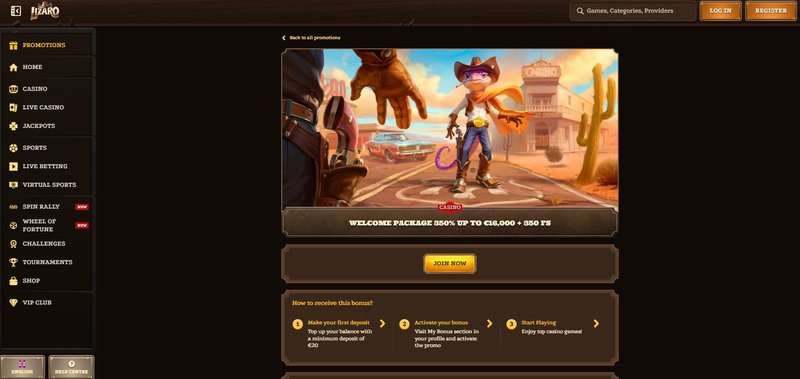
When a Friday night turns into a marathon of bite‑sized adventures, it’s easy to see how mobile gaming is not just a pastime but a cultural shift. The convenience of instant downloads, coupled with evolving monetisation and cross‑platform play, has created a new entertainment ecosystem that thrives on flexibility and interaction. For those looking to explore how mobile gaming intersects with broader online entertainment, the Lizaro Casino Bonus Code offers a gateway to a world where gameplay meets chance, all within a few taps.
Looking ahead: what’s next for UK mobile gamers?
Artificial intelligence is already personalising narratives, and 5G rollout will enable smoother multiplayer experiences. As developers push the envelope, the line between gaming and other digital media will blur further, cementing mobile gaming’s role as a cornerstone of UK entertainment in 2026 and beyond.